


Choosing a remodeling contractor is one of the most important decisions for a renovation. The contractor you hire determines the project’s quality, schedule, and cost. To make a sound choice, focus on core factors—trust, workmanship, reviews, pricing, licensing and insurance, communication, and experience—and learn how to verify credentials so you hire with confidence.
Trustworthiness
Trust is fundamental when evaluating a contractor. Confirm they have a solid local reputation and a transparent work history so you can rely on them throughout the project.
- Customer Reviews: Seek reviews from previous clients to get an idea of their experiences.
- Requesting References: Ask the contractor for references to contact and verify their past projects.
- Patterns in Feedback: Identify recurring themes in reviews, both positive and negative, to assess overall reliability.
Working with established local firms like Robinson’s Painting & Home Improvements can add confidence; they specialize in interior and exterior painting and other home improvement services. For details, see their offerings at Robinson’s Painting & Home Improvements LLC.
Quality of Work
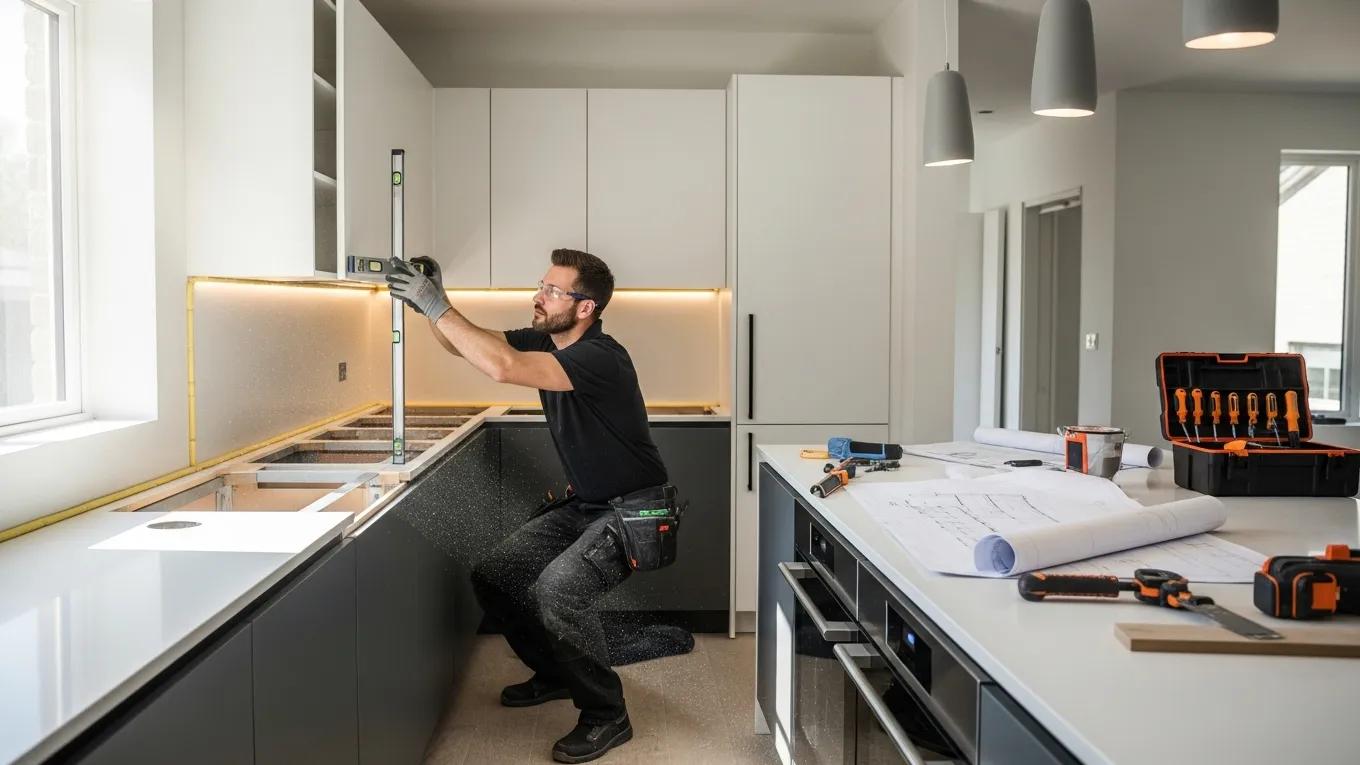
Workmanship and attention to detail shape the final outcome. Inspect a contractor’s craftsmanship and application methods when assessing their likely performance on your project.
- Factors Affecting Quality: A contractor’s craftsmanship and their attention to detail significantly impact the final outcome of the remodeling project.
- Importance of a Portfolio: A strong portfolio showcasing completed projects can provide insight into a contractor’s capabilities and aesthetic style.
- Customer Testimonials: Genuine testimonials can reflect a contractor’s dedication to quality and customer satisfaction.
Choosing a contractor known for quality delivers durable results and reduces long‑term repair and maintenance costs.
Follow a thorough vetting process to confirm the contractor you hire is reliable and capable of delivering high‑quality work.
Contractor Vetting Process for Home Renovation
Summary of the contractor vetting process, including a summary of those improvements and beginning with the pre‑vetting.A Contractor Vetting Program for Protection and Control Commissioning, 2025
Customer Reviews
Customer reviews offer direct insight into a contractor’s performance. Evaluate reviews for detail, consistency, and source credibility to form a clear picture of past work.
- Where to Find Reviews: Utilize platforms like Google, Yelp, and the contractor’s website to gather diverse opinions.
- How to Interpret Feedback: Look for detailed reviews that discuss specific experiences rather than vague comments.
- Red Flags to Watch Out For: Be cautious of consistently negative feedback or patterns of dissatisfaction, which may indicate potential issues.
Seeing how Robinson’s Painting & Home Improvements prioritizes customer satisfaction can help you make informed decisions based on reliable testimonials.
Pricing Considerations
Assessing price helps you set realistic budget expectations. Request detailed estimates, compare multiple quotes, and remember the lowest bid may not deliver the best long‑term value.
- Requesting Detailed Estimates: Ensure that the contractor provides a comprehensive breakdown of costs, including materials and labor.
- Comparing Costs: Obtain quotes from multiple contractors to compare pricing structures.
- Understanding Value: Recognize that the lowest price may not always offer the best value in terms of quality and service.
Balancing cost and quality lets you choose a contractor that provides lasting value.
Licensing and Insurance
Licensing and insurance protect homeowners and ensure contractors operate within legal and safety standards.
Understanding Connecticut Contractor Licensing Requirements
Connecticut requires contractors to hold specific licenses to operate legally and safely. Key elements include general contractor credentials, home improvement registration, and confirming license status with state resources.
How to Verify a Remodeling Contractor’s Credentials in Fairfield CT
Verifying credentials requires requesting documentation and checking with local agencies to confirm licenses and insurance are current before hiring.
Knowing licensing and insurance standards helps you avoid legal and financial risks during a renovation.
Experience
A contractor’s experience correlates with project success. Experienced professionals anticipate challenges and deliver consistent, quality results.
- Importance of Proven Track Record: Contractors with a solid track record can demonstrate their ability to complete projects successfully.
- Signs of a Reputable Contractor: Look for longevity in business, verifiable past projects, and any awards or recognitions earned.
- Local Project Examples: Evaluating projects completed in the community can reassure homeowners of the contractor’s expertise in local construction practices.
Communication
Clear communication is essential to a successful working relationship. Assess clarity, transparency, and responsiveness when evaluating a contractor.
- Assessing Communication Clarity: Contractors should provide clear and concise information regarding estimates and processes.
- Importance of Transparency: A trustworthy contractor will be open about potential challenges and ready to address homeowner concerns promptly.
- Responsiveness to Inquiries: Fast response times indicate a contractor’s commitment to client satisfaction and project success.
What Licenses and Credentials Should a Licensed Remodeling Contractor Have in Connecticut?
Understanding Connecticut Contractor Licensing Requirements
Familiarity with these licensing categories helps you confirm a contractor meets state requirements for the scope of work you need.
| License Type | Description | Requirements |
|---|---|---|
| General Contractor License | Required for major renovations | Proof of insurance, passing examination |
| Home Improvement Contractor Registration | For contractors engaged in home improvements | Registration with the state |
| Specialty Licenses | For specific trades (e.g., plumbing, electrical) | Pass trade-specific exams, complete continuing education |
Knowing these requirements helps you select contractors who comply with state regulations.
How to Verify a Remodeling Contractor’s Credentials in Fairfield CT
To verify credentials, request copies of licenses and insurance, check the Department of Consumer Protection, and research any past complaints before hiring.
- Documentation Required: Request copies of licenses and insurance documentation.
- Contacting the Department of Consumer Protection: Use state resources to check the validity of a contractor’s license.
- Researching Past Complaints: Investigate whether there have been any formal complaints against the contractor.
Following these steps helps confirm the contractor you choose is qualified and reliable.
Contractors working in Fairfield must meet the town’s insurance coverage requirements.
Fairfield CT Contractor Insurance Requirements
The Town of Fairfield is requiring insurance coverage as listed below for this work. Note: The term “General Contractor” (hereinafter called the “Contractor”) shall also include theirADDENDA/REQUESTS FOR INFORMATION (RFI), 2025
How Does Insurance and Bonding Protect Your Home Renovation Project?

Essential Insurance Coverage Every Remodeling Contractor Must Have
Insurance protects both you and the contractor. Confirm your contractor carries general liability, workers’ compensation, and bonding to limit financial and legal exposure.
- General Liability Insurance: Protects against damages caused during the remodeling process.
- Workers’ Compensation Insurance: Covers injuries to workers on the job site, protecting homeowners from liability.
- Bonding: A bond provides reassurance that the contractor will complete the job according to the contract terms.
Why Bonding Matters for Reliable Remodeling Contractors in Fairfield
Bonding indicates the contractor meets industry standards and offers financial protection. Bonded contractors provide compensation options if contract terms are not met and increase accountability for deadlines and quality.
- Financial Assurance: Homeowners can seek compensation for losses if the contractor fails to fulfill the contract.
- Increased Accountability: Bonds serve as a form of insurance for the homeowner, ensuring the contractor adheres to agreed-upon deadlines and quality standards.
Knowing how insurance and bonding work gives you greater peace of mind during the renovation process.
These bonding requirements provide legal compliance and financial security for homeowners across Connecticut.
Connecticut Contractor Licensing and Bonding
A bid bond shall be in the form of a firm commitment as follows: a bid bond on a surety company licensed in the State of Connecticut; a postal money order; certified check; or cashier’sThe Connecticut General Assembly, 2007
What Are the Typical Costs and Budgeting Tips for Remodeling in Fairfield CT?
Knowing project costs is essential for realistic budgeting. Use clear estimates and contingency planning to avoid surprises.
Breaking Down Common Home Renovation Expenses
Typical cost ranges for common renovations vary significantly and should inform your budget planning.
| Renovation Type | Cost Range | Average Timeframe |
|---|---|---|
| Kitchen Remodel | $20,000-$50,000 | 6-12 weeks |
| Bathroom Remodel | $10,000-$30,000 | 4-8 weeks |
| Whole House Remodel | $100,000+ | 3-6 months |
These ranges set realistic budget expectations for common renovation projects.
How to Plan a Realistic Remodeling Budget for Long-Term Value
Plan budgets by getting detailed estimates, budgeting a 10–20% contingency for unforeseen costs, and prioritizing essential elements over optional upgrades.
- Estimating Costs: Get detailed estimates from multiple contractors.
- Including Contingencies: Set aside an extra 10-20% of your budget for unforeseen expenses.
- Prioritizing Expenses: Determine which aspects of the renovation are essential versus desired.
Using these cost estimates and budgeting practices helps you make informed financial decisions and protect the long‑term value of your renovation.
How to Evaluate Remodeling Contractor Reviews to Choose a Reputable Service?
What to Look for in Client Testimonials and Online Reviews
When assessing reviews, look for detailed project accounts, consistent positive themes, and a strong overall rating—these elements indicate reliable performance.
- Depth of Feedback: Look for detailed comments that share specific project experiences.
- Overall Rating: Higher average ratings typically indicate better service.
- Consistent Positive Themes: If multiple reviewers mention similar positive experiences, it is a good sign of reliability.
How Robinson’s Painting & Home Improvements Builds Trusted Client Relationships
Robinson’s Painting & Home Improvements emphasizes quality workmanship, open communication, and active client engagement to foster long‑term relationships and consistent results.
- Quality Workmanship: The company ensures that each project is completed with attention to detail and quality standards.
- Open Communication: Regular updates and accessibility help build trust with clients.
- Positive Engagement: Actively seeking and responding to client feedback fosters long-lasting relationships.
What Should You Expect About Project Timeline and Scope Management?
Typical Remodeling Project Stages and Duration in Fairfield CT
Most projects follow stages—planning and design, permitting, and construction—each with predictable timeframes you should factor into your schedule.
- Planning and Design: Discussing ideas and creating blueprints.
- Permitting and Approvals: Securing necessary permits from local authorities.
- Construction: The physical work begins, typically the longest phase of the project.
Understanding these stages helps you set realistic expectations and plan timelines effectively.
How Experienced Contractors Manage Scope Changes and Delays
Experienced contractors manage changes through clear contracts, ongoing communication, and practical solutions to minimise delays and extra costs.
- Clear Agreements: Well-defined contracts can outline how potential changes will be addressed.
- Effective Communication: Regular discussions with homeowners keep them informed about progress and any changes.
- Flexible Solutions: Good contractors offer creative solutions for problems that arise during the project.
When you understand how to handle scope changes, you reduce disruptions and increase the chances of a successful outcome.
Frequently Asked Questions
1. How can I identify the best remodeling contractor in Fairfield, CT?
Research several candidates: gather referrals, review online ratings, study portfolios, and confirm licenses and insurance. Interview finalists to assess communication and fit. A systematic review of credentials and past work helps you select a contractor aligned with your project goals.
2. What should I ask during the initial consultation with a contractor?
Ask about their experience with similar projects, their construction process and timeline, licencing and insurance, warranties, payment terms, and references. Discuss how they communicate during a project to determine if they match your expectations.
3. What financing options are typically available for remodeling projects?
Common financing options include home equity loans, personal loans, and contractor-provided financing or payment plans. Compare terms, rates, and repayment schedules to choose the most suitable option for your budget.
4. What are some red flags to watch for when choosing a remodeling contractor?
Watch for large upfront cash requests, extremely low bids, lack of proper licences or insurance, and reluctance to provide references. If something feels off in your interactions, continue your search.
5. How can I safely communicate my ideas and desires to a contractor?
Clearly outline your priorities and use photos or sketches to convey your vision. Agree on budget and timelines up front, schedule regular check‑ins, and set a preferred communication method to keep the project aligned with your expectations.
6. How can I ensure my remodeling project stays on schedule and within budget?
Create a detailed plan with timelines and priorities, communicate expectations clearly, hold regular progress reviews, and include a 10–20% contingency fund for unforeseen costs. Open communication and flexibility help keep projects on track.
7. What happens if there are disputes or issues during the remodeling process?
Address issues promptly with a candid discussion, refer to your contract to clarify rights and responsibilities, and document communications. If needed, pursue mediation or involve a third party. Choose contractors who prioritise timely dispute resolution.
Conclusion
Selecting the right remodeling contractor in Fairfield, CT, protects your investment and ensures the renovation meets your standards. Evaluate trustworthiness, workmanship, and client feedback to make an informed choice that delivers lasting results. Begin by researching reputable contractors and request professional guidance so you can move forward with confidence and clarity.
